
Stay Informed
Resource center
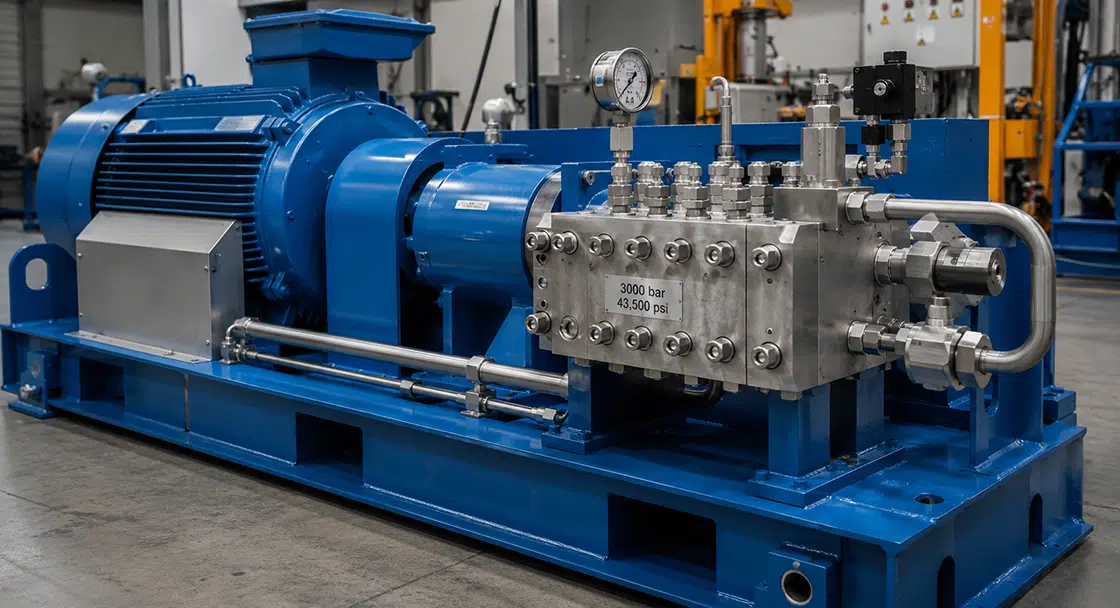
What are the hazards of high pressure pumps?
High pressure pumps pose several significant hazards including high pressure injection injuries, equipment failures leading to explosive hose ruptures, noise-induced hearing damage, and environmental contamination from fluid leaks. These risks stem from the extreme pressures...
Read more
How much pressure do you need for a sewer jetter?
For effective sewer jetting, you need pressure ranging from 1,500 to 4,000 PSI (103 to 276 BAR) depending on your specific application. Residential systems typically require 1,500-2,500 PSI (103-172 BAR), whilst industrial applications often need...
Read more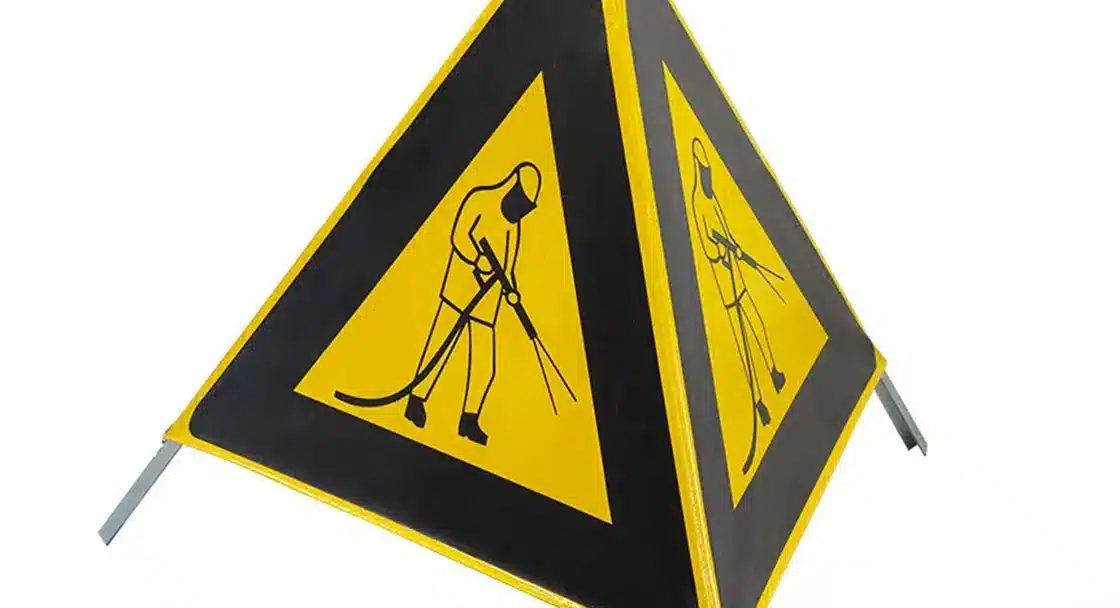
What are the risks of high pressure water jetting?
High pressure water jetting carries significant risks including severe injection injuries, equipment failures and environmental hazards. The extreme pressures involved can cause deep tissue damage, cuts and impact trauma. Equipment malfunctions such as hose ruptures...
Read more
How does high pressure water nozzle work?
High pressure water nozzles work by forcing water through a precisely designed orifice at extreme pressure, converting that pressure into high-velocity water jets that can remove stubborn contaminants, coatings, and debris from industrial surfaces. The...
Read more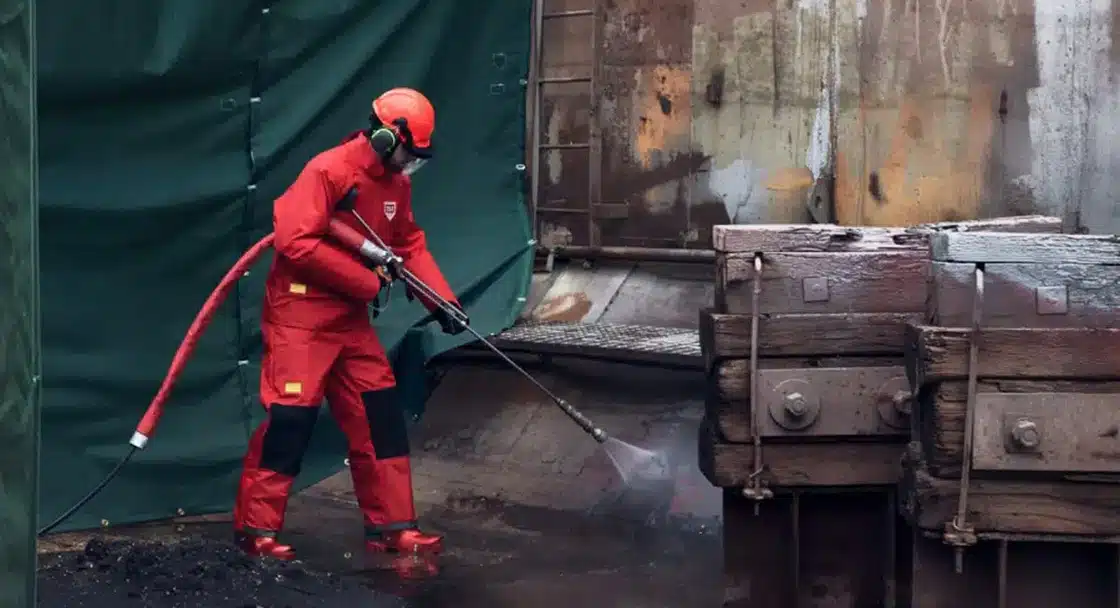
What PPE is required for high pressure water jetting?
High pressure water jetting requires strong personal protective equipment (PPE). Operators need waterproof protective clothing, cutresistant gloves, punctureresistant safety boots, a face shield, a safety helmet and hearing protection. The exact PPE depends on the...
Read more
How does the MagTrack fit through a 24-inch manhole?
The MagTrack fits through a 24-inch "61 cm" manhole because its modular carrier is designed to be disassembled into compact sections that pass through standard confined space entry points. Once inside, the robot is reassembled...
Read more
What is the environmental impact of traditional tank cleaning methods?
Traditional tank cleaning methods release a significant range of pollutants into the environment, including hydrocarbon residues, heavy metals, toxic solvents, and contaminated wastewater. These pollutants pose serious risks to soil, groundwater, and surrounding ecosystems when...
Read more
How do you clean a tank with hardened sludge or wax deposits?
To clean a tank with hardened sludge or wax deposits, the most effective approach combines high-pressure water jetting with mechanical agitation or robotic cleaning systems. These methods break down and flush out compacted residues that...
Read more