
DERC Salotech
What PPE is required for high pressure water jetting?
TST Sweden AB Workplace Safety Solutions
TST offers a complete assortment of workspace safety solutions of the highest standard.
Discover
TST Sweden AB Protective Clothing
TST offers a complete assortment of personnel protection equipment of the highest standard.
Discover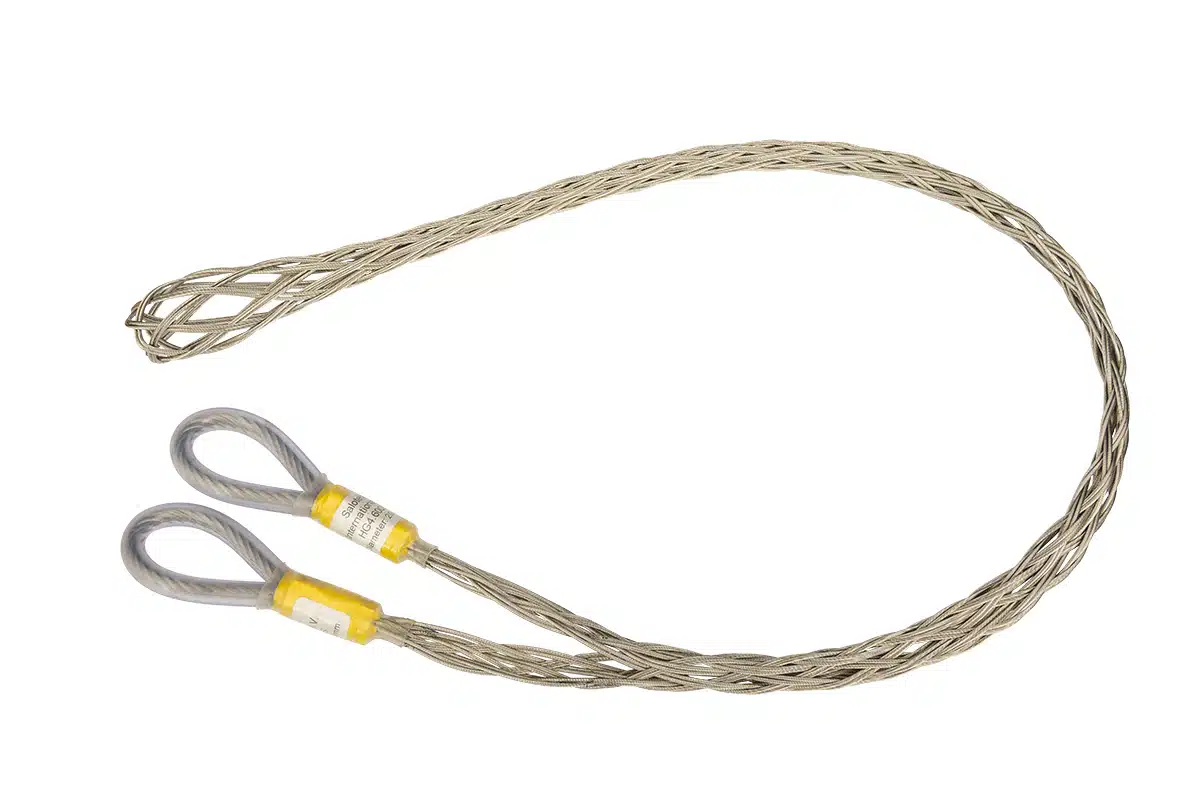
DERC Hose Grips
Hose Grips are used as security between high pressure hoses in case the hose connection would fail.
Discover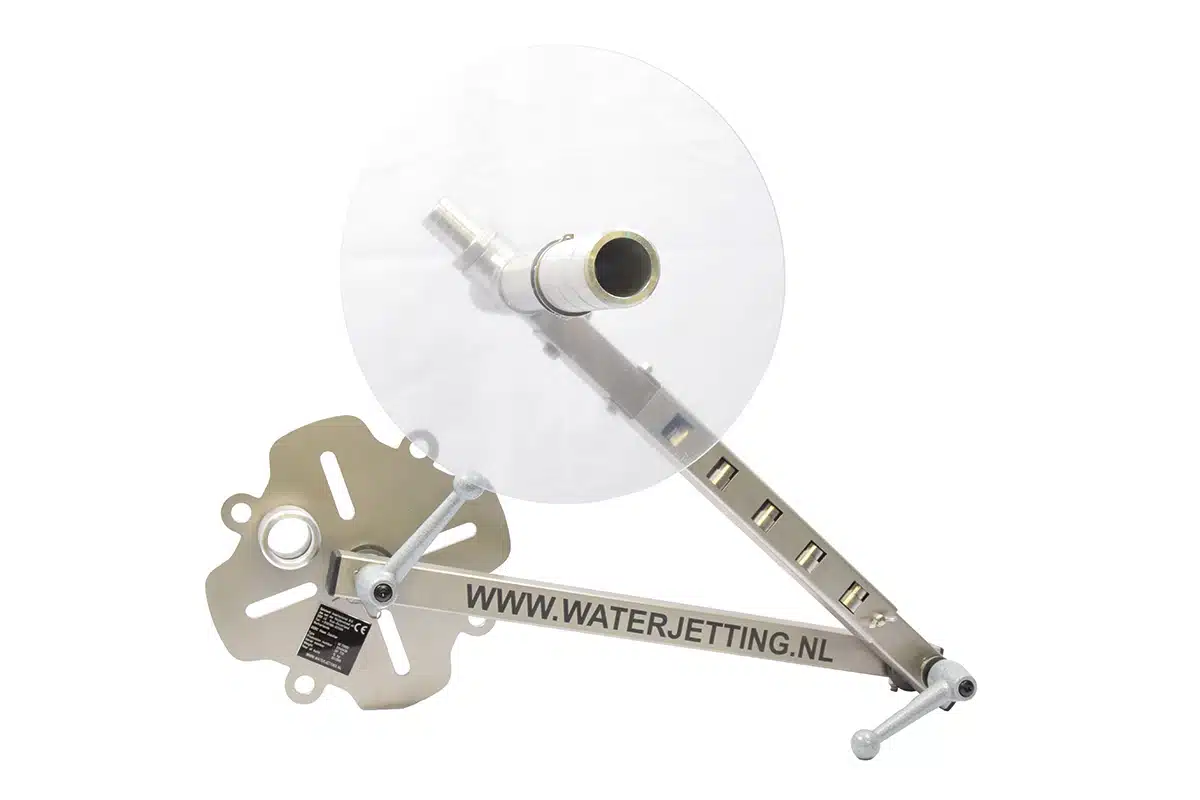
DERC Hose Catcher VE.70500
Adjustable auxiliary tool for cleaning pipe bundles by means of a hose with a jetting nozzle mounted to the front.
DiscoverHigh pressure water jetting requires strong personal protective equipment (PPE). Operators need waterproof protective clothing, cutresistant gloves, punctureresistant safety boots, a face shield, a safety helmet and hearing protection. The exact PPE depends on the pressure and the working environment. All operators must be protected against highpressure water, flying debris and impact. At DERC Salotech we supply protective clothing from TST Sweden, one of the best global standards for highpressure PPE.
Understanding PPE requirements for high pressure water jetting
High pressure water jetting systems operate roughly between 1,000 PSI (69 BAR) and 43,500 PSI (3,000 BAR). At these pressures, water becomes a cutting tool that can pass through skin, clothing and even some protective materials. The correct PPE is therefore essential. Safety regulations differ per country and job site. Many refer to international highpressure safety guidelines. PPE selection always means using multiple layers of protection. No single item protects against all risks.
What protective clothing do you need for water jetting operations?
Protective clothing must cover the entire body and stop water penetration. Highpressure suits made from PVC, neoprene or advanced synthetic materials are recommended. Reinforced areas at knees, elbows and shoulders improve durability. Cutresistant panels help when debris or sharp fragments may be present. Highvisibility colours and reflective strips help improve worker visibility. Lower pressure work may allow lighter PPE, but ultrahigh pressure requires the strongest suits available. For best protection, DERC Salotech offers TST Sweden suits, gloves and boots.

Which safety equipment protects against high pressure water injuries?
Operators need strong protection for head, face and hearing. This includes a safety helmet, fullface shield, goggles if needed and proper hearing protection. Additional safety tools include deadman switches, remote controls and emergency shutoff devices. In enclosed spaces, respiratory protection may be required.
How do you choose the right gloves and footwear for water jetting?
Gloves must protect against cuts, punctures and water penetration. Materials like nitrile, neoprene or advanced synthetics work well. Gloves should offer good grip, even when wet. Safety boots need puncture protection and steel or composite toes. Slipresistant soles are essential in wet environments. TST Sweden boots meet high PPE standards for water jetting.
What additional safety measures should you consider?
When working at height or in confined spaces, fall protection may be required. Emergency equipment must always be close by, including emergency stop controls, firstaid kits for highpressure injuries and communication devices. Injection injuries can look small but are serious. Always seek immediate medical help. Clear safety zones, warning systems and emergency procedures must be in place. Good training ensures operators understand these rules.
Training and recognised guidelines
We advise following guidelines from:
- WJTA (USA)
- WJA (UK)
- SIR (Netherlands)
- EWJI (Europe)
- DIRV (Germany)
For recognised SIR and WJA training, contact DERC Adviesgroep in Stellendam. They also provide customised onsite training worldwide.
Choosing professional water jetting equipment and safety solutions
Professional water jetting requires the right equipment, proper PPE and strong safety procedures. Our solutions combine safety, performance and compliance with international standards. For more information about PPE, including TST Sweden protective clothing, or for support with your application, please contact us for expert advice.
Frequently Asked Questions
How often should I replace my water jetting PPE, and what signs indicate it needs replacement?
Replace PPE when you see cuts, tears, punctures, worn soles or damaged face shields. Inspect PPE before each use and check everything more deeply once a month. Most suits last 6–12 months. Gloves often last 2–3 months, depending on use. Rules and replacement times can differ per country, region or job site. This is a general guideline. Always follow the instructions in the product manual. That manual is leading.
What's the minimum safe distance I should maintain when operating high pressure water jetting equipment?
Keep at least 10 feet (3 metres) for pressures up to 10,000 PSI (690 BAR). For pressures above 20,000 PSI (1,379 BAR), keep 15–20 feet (4.5–6 metres). Always create clear exclusion zones. Rules and requirements can differ per country, region or factory site. This is a general guideline. Always follow the PPE product manual and local safety rules first.
What should I do if water penetrates my protective equipment during operation?
Stop work immediately and move to a safe area. Replace the damaged PPE and check for injuries, including injection injuries. Local procedures may differ per region or factory. This is a general guideline. Always follow your equipment manual and local reporting rules.
How do I properly maintain and store water jetting PPE to ensure maximum protection?
Rinse PPE with clean water after use, dry completely and store in a cool, dry place. Hang suits to avoid folds. Ventilate gloves and boots. Store face shields in protective covers. Maintenance rules may differ per region, country or site. This is a general guideline. Always follow the PPE manufacturer's manual, which is leading.
Questions?
Get in touch with our support team
+31 186 - 62 14 84