
DERC Salotech
What tube cleaning methods work best for scale removal?
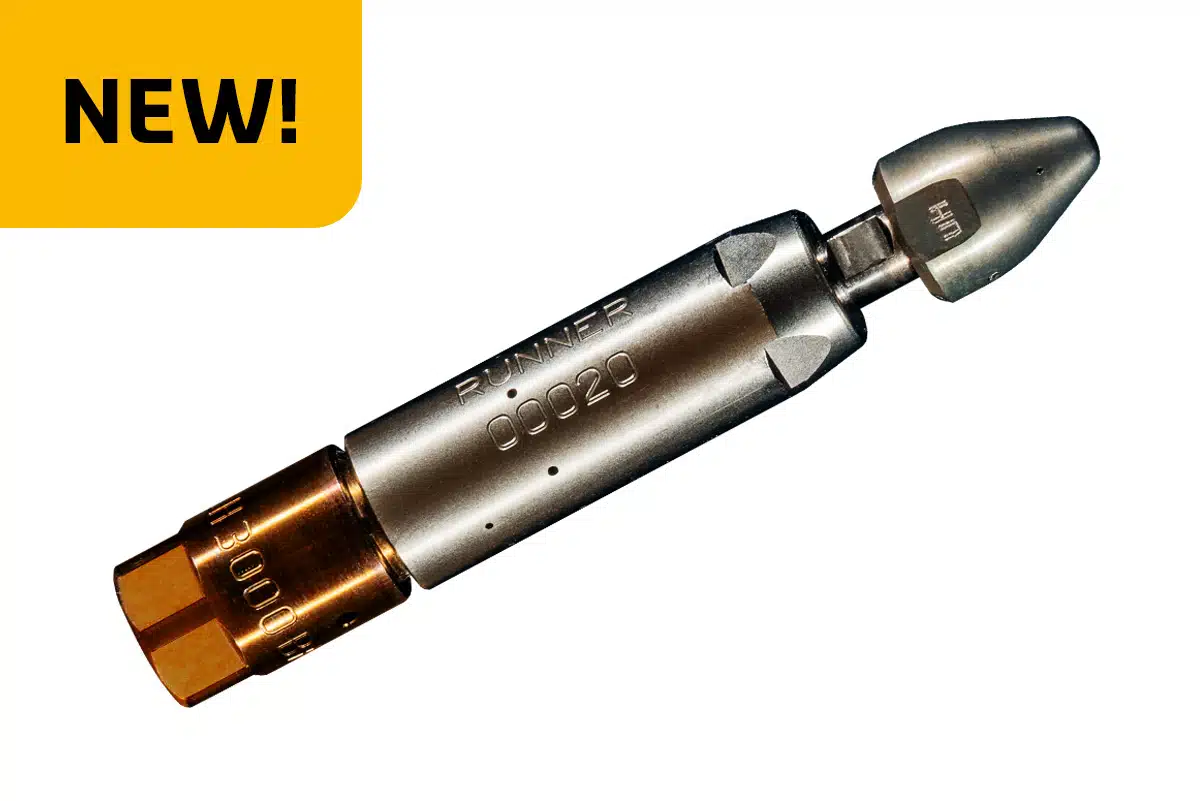
DERC Runner Nozzle UHP Ø 13 mm
Rotating tube cleaning nozzle Ø 13 mm, designed for cleaning heat exchanger tubes with a working pressure up to 3000 bar.
Discover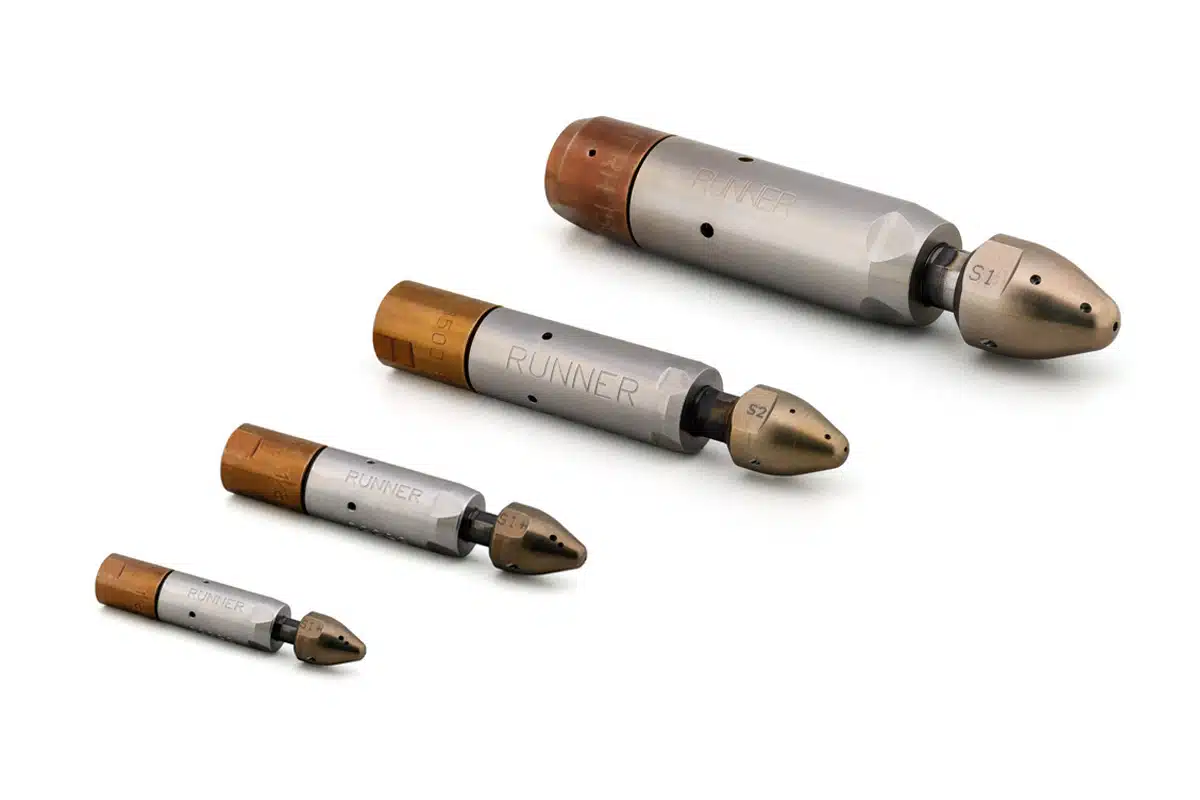
DERC Runner Nozzle Ø 13 mm
Rotating tube cleaning nozzle Ø 13 mm, designed for cleaning heat exchanger tubes.
Discover
Peinemann Equipment Bundle Cleaning
Peinemann Equipment offers a wide range of bundle (heat exchanger) cleaning equipment.
Discover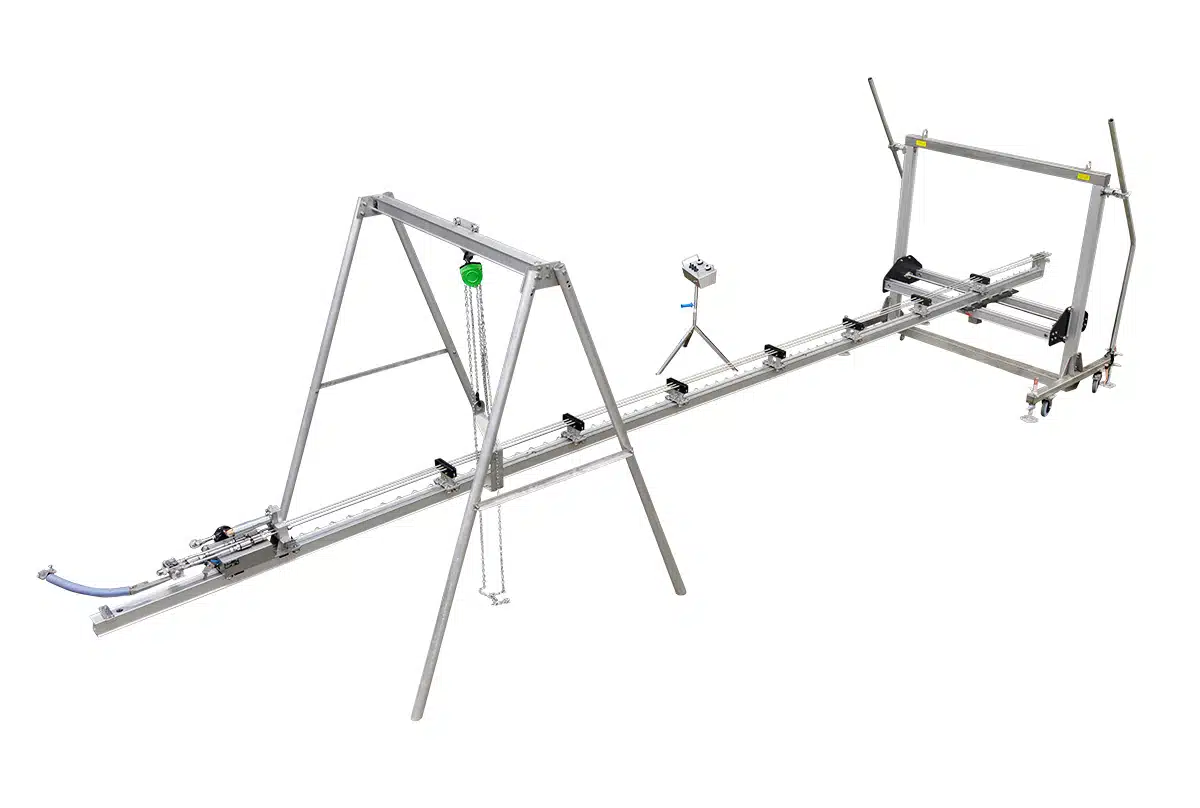
DERC Rigid Lance Cleaning System RLC
Innovative system that uses rigid lances to clean heat exchanger tube bundles.
DiscoverHigh-pressure water jetting stands out as the most effective tube cleaning method for scale removal in industrial applications. This mechanical cleaning technique uses water pressures ranging from 500 to 3000 bar (7,250 to 43,500 psi) to break the bond between scale deposits and tube surfaces without damaging the base material. For maintenance engineers and field technicians in heavy industry, understanding the right tube cleaning approach for different scale types ensures optimal equipment performance, reduced downtime, and enhanced safety during cleaning operations.
What causes scale buildup in industrial tubes and why does it matter?
Scale buildup in industrial tubes occurs when dissolved minerals precipitate out of process fluids and deposit on tube surfaces. Common scale types include calcium carbonate, iron oxide, silicate deposits, and biological growth, each forming through different mechanisms depending on water chemistry, temperature, and flow conditions.
In petrochemical applications, scale formation typically begins when process water becomes supersaturated with minerals due to temperature changes or pressure drops. As water passes through heat exchangers, the elevated temperatures cause dissolved minerals to precipitate and adhere to tube walls. Marine environments face additional challenges from salt deposits and marine growth, while energy sector equipment often deals with magnetite and other corrosion products.
The impact on industrial operations is significant. A scale layer just 1mm thick can reduce heat transfer efficiency by up to 10%, forcing equipment to work harder and consume more energy. In severe cases, scale buildup restricts flow, increases pressure drop across the system, and accelerates corrosion beneath the deposits. For maintenance teams, this means more frequent shutdowns, higher operating costs, and potential equipment failure if left unchecked.

How does high-pressure water jetting remove scale from tubes?
High-pressure water jetting removes scale through a combination of impact force, cavitation, and hydraulic wedging. Water pressures between 500 and 3000 bar (7,250 to 43,500 psi) create sufficient force to overcome the adhesive bond between scale and tube material while preserving the underlying surface integrity.
The cleaning process begins when high-velocity water exits specialised nozzles at speeds exceeding 600 metres per second. This creates an impact force that cracks and dislodges scale deposits. Simultaneously, cavitation bubbles form and collapse against the scale surface, generating localised shock waves that further break down deposits. The continuous water flow then flushes loosened debris from the tube.
Nozzle configuration plays a crucial role in cleaning effectiveness. Forward-facing jets provide initial penetration power, while rear-facing jets create thrust to propel the nozzle through the tube and flush debris backwards. Rotating nozzles ensure complete 360-degree coverage, particularly important for removing stubborn deposits in heat exchanger tubes. Flow rates typically range from 20 to 200 litres per minute, depending on tube diameter and scale thickness.
Modern tube cleaning systems allow operators to adjust pressure and flow parameters based on scale type and tube material. Softer deposits like biological growth may require only 500-1000 bar (7,250-14,500 psi), while hard mineral scales often need 2000-3000 bar (29,000-43,500 psi) for effective removal. This flexibility ensures thorough cleaning without risking tube damage.
What’s the difference between mechanical and chemical tube cleaning methods?
Mechanical cleaning methods like water jetting physically remove scale through force and abrasion, while chemical cleaning dissolves deposits using acids or solvents. Each approach offers distinct advantages depending on scale type, equipment constraints, and environmental considerations.
Mechanical methods include high-pressure water jetting, brushing, and pigging. Water jetting excels at removing hard, adherent scales without introducing chemicals into the system. Brushing works well for light deposits but struggles with heavy scale buildup. Pigging suits straight tube runs but cannot navigate bends or varying diameters. These methods generate solid waste that’s easier to contain and dispose of compared to chemical waste streams.
Chemical cleaning uses acid solutions like hydrochloric or citric acid to dissolve mineral scales, or specialised solvents for organic deposits. While effective for uniform cleaning of complex tube geometries, chemical methods require careful pH control, corrosion inhibitors, and extensive flushing afterwards. The process generates hazardous liquid waste requiring treatment before disposal.
Safety considerations differ significantly between approaches. Mechanical cleaning poses physical hazards from high-pressure equipment but avoids chemical exposure risks. Chemical cleaning requires extensive personal protective equipment, ventilation systems, and emergency response procedures for acid spills. Environmental regulations increasingly favour mechanical methods due to reduced waste treatment requirements and lower environmental impact.
Which tube cleaning method works best for different types of scale?
Calcium carbonate scales respond well to both mechanical and chemical cleaning, but high-pressure water jetting at 1500-2000 bar (21,750-29,000 psi) provides fast, effective removal without chemical handling. Iron oxide deposits require higher pressures of 2000-3000 bar (29,000-43,500 psi) or specialised chemical treatments for complete removal.
Silicate scales present unique challenges due to their extreme hardness and chemical resistance. Water jetting at maximum pressure ranges of 2500-3000 bar (36,250-43,500 psi) often provides the only effective mechanical removal method. Chemical alternatives require dangerous hydrofluoric acid, making high-pressure water jetting the preferred choice for safety reasons.
Biological fouling and soft deposits typically need only 500-1000 bar (7,250-14,500 psi) for effective removal. The lower pressure requirements allow faster cleaning speeds and reduced risk of tube damage. Mixed deposits containing both hard scale and biological growth benefit from a staged approach, starting with lower pressures to remove soft deposits before increasing pressure for hard scale removal.
Tube material compatibility influences method selection. Carbon steel tubes tolerate high-pressure cleaning well, while softer materials like copper alloys require reduced pressures to prevent erosion. Stainless steel offers excellent compatibility with both mechanical and chemical methods. Always verify manufacturer specifications for maximum allowable pressures before selecting cleaning parameters.
How do you ensure safety during high-pressure tube cleaning operations?
Safety during high-pressure tube cleaning operations starts with proper pressure zone isolation and lockout/tagout procedures. All personnel must maintain safe distances from operating equipment, with exclusion zones clearly marked based on maximum operating pressure. Operators require appropriate personal protective equipment including safety helmets, face shields, protective clothing, and steel-toed boots.
Equipment inspection forms the foundation of operational safety. Before each shift, technicians must verify hose condition, checking for cuts, abrasion, or swelling that could indicate imminent failure. Regular maintenance, testing and certification of tooling, hoses and water jetting units ensures system integrity before introducing full operating pressures. Quick-release fittings and safety chains prevent dangerous hose whip if connections fail.
Modern automated systems significantly reduce operator exposure to high-pressure hazards. Remote-controlled lance manipulators position cleaning lances without manual handling, while automated indexing systems ensure consistent tube-to-tube positioning. These innovations allow operators to control equipment from safe distances, eliminating the primary cause of high-pressure water jetting injuries.
Comprehensive training programmes according to SIR, WJA or WJTA regulations ensure all personnel understand equipment capabilities, hazard recognition, and emergency procedures. Operators must demonstrate competency in pressure control, nozzle selection, and safety protocols before working independently. Regular refresher training reinforces safe work practices and introduces new safety technologies as they become available.
What equipment innovations make tube cleaning more efficient and safer?
Robotic tube cleaning systems like Peinemann SPX system represent the latest advancement in safe, efficient scale removal. These automated units precisely position cleaning lances while operators control the process from protected locations. Advanced systems feature automatic tube detection, pressure monitoring, and emergency stop capabilities that prevent equipment damage and operator injury.
Automated lance manipulators eliminate manual handling of high-pressure lances during cleaning operations. Pneumatic or hydraulic positioning systems move lances between tubes with millimetre precision, reducing operator fatigue and ensuring consistent cleaning quality. Integration with programmable controllers allows operators to save cleaning patterns for different exchanger configurations, improving efficiency on repeat jobs.
Remote monitoring technology enables real-time tracking of cleaning parameters including pressure, flow rate, and lance position. Data logging capabilities document cleaning effectiveness for quality assurance and predictive maintenance programmes. Some systems incorporate cameras for visual inspection during cleaning, allowing operators to verify scale removal without equipment disassembly.
Flexible lance technology adapts to various tube configurations without equipment changes. Self-rotating nozzles optimise cleaning patterns based on tube diameter, while flexible lance materials navigate tube bends that rigid lances cannot reach. These innovations expand the range of equipment that can be cleaned effectively with water jetting.
For facilities seeking to upgrade their tube cleaning capabilities, specialised tube bundle cleaning solutions offer significant improvements in safety and efficiency. Our engineering team can assess your specific cleaning challenges and recommend equipment configurations that maximise productivity while ensuring operator safety. To discuss your tube cleaning requirements and explore how modern equipment can transform your maintenance operations, contact our technical specialists for a consultation.
Frequently Asked Questions
What's the typical cost difference between high-pressure water jetting and chemical cleaning for a standard heat exchanger?
High-pressure water jetting typically costs 30-50% less per cleaning cycle than chemical methods when factoring in waste disposal, chemical procurement, and labour time. While initial equipment investment for water jetting systems ranges from €50,000-€200,000, operational costs are significantly lower per tube cleaned versus chemical cleaning, making water jetting more economical for facilities cleaning more than 500 tubes annually.
How do I determine the right pressure setting without damaging thin-walled tubes?
Start with a test section at 500 bar (7,250 psi) and gradually increase pressure while monitoring tube wall thickness using ultrasonic testing. For tubes with wall thickness under 2mm, limit pressure to 1000 bar (14,500 psi) maximum, and always maintain a standoff distance of at least 10mm between nozzle and tube wall. Consider using rotating nozzles with multiple low-pressure jets rather than single high-pressure streams for delicate materials like brass or thin-walled stainless steel.
What preventive measures can reduce scale formation between cleaning cycles?
Install online monitoring systems to track water chemistry parameters and adjust treatment chemicals before scale precipitation occurs. Maintaining water velocity above 1.5 m/s prevents sediment settling, while keeping pH between 7.5-8.5 and using scale inhibitors like phosphonates can extend cleaning intervals from 6 months to 18-24 months. Regular backflushing at low pressure (50-100 bar) every 3 months also prevents heavy scale accumulation.
How can I clean tubes with internal baffles or U-bends using water jetting?
Use flexible lances made from reinforced thermoplastic materials rated for your operating pressure, combined with self-navigating nozzles that create forward thrust while cleaning. For tight U-bends under 100mm radius, reduce pressure to 1000-1500 bar (14,500-21,750 psi) and use specialised bent-tube nozzles with side-facing jets. Consider sectional cleaning approaches where you clean from both tube ends to meet in the middle for complex geometries.
What's the minimum crew size needed for safe water jetting operations?
A minimum three-person crew is essential: one operator controlling the jetting equipment, one spotter maintaining the exclusion zone and monitoring for hazards, and one person managing hoses and equipment positioning. For automated systems, you can reduce to two people, but never operate high-pressure equipment solo.
How do I validate cleaning effectiveness without complete disassembly?
Use borescope inspection on representative tubes (typically 5-10% sampling) immediately after cleaning to visually confirm scale removal. Implement pressure drop testing before and after cleaning - a properly cleaned exchanger should show 80-90% restoration of original pressure drop values. For critical applications, consider eddy current testing or ultrasonic flow measurement to quantify remaining deposits and plan future cleaning intervals based on actual fouling rates.
Questions?
Get in touch with our support team
+31 186 - 62 14 84